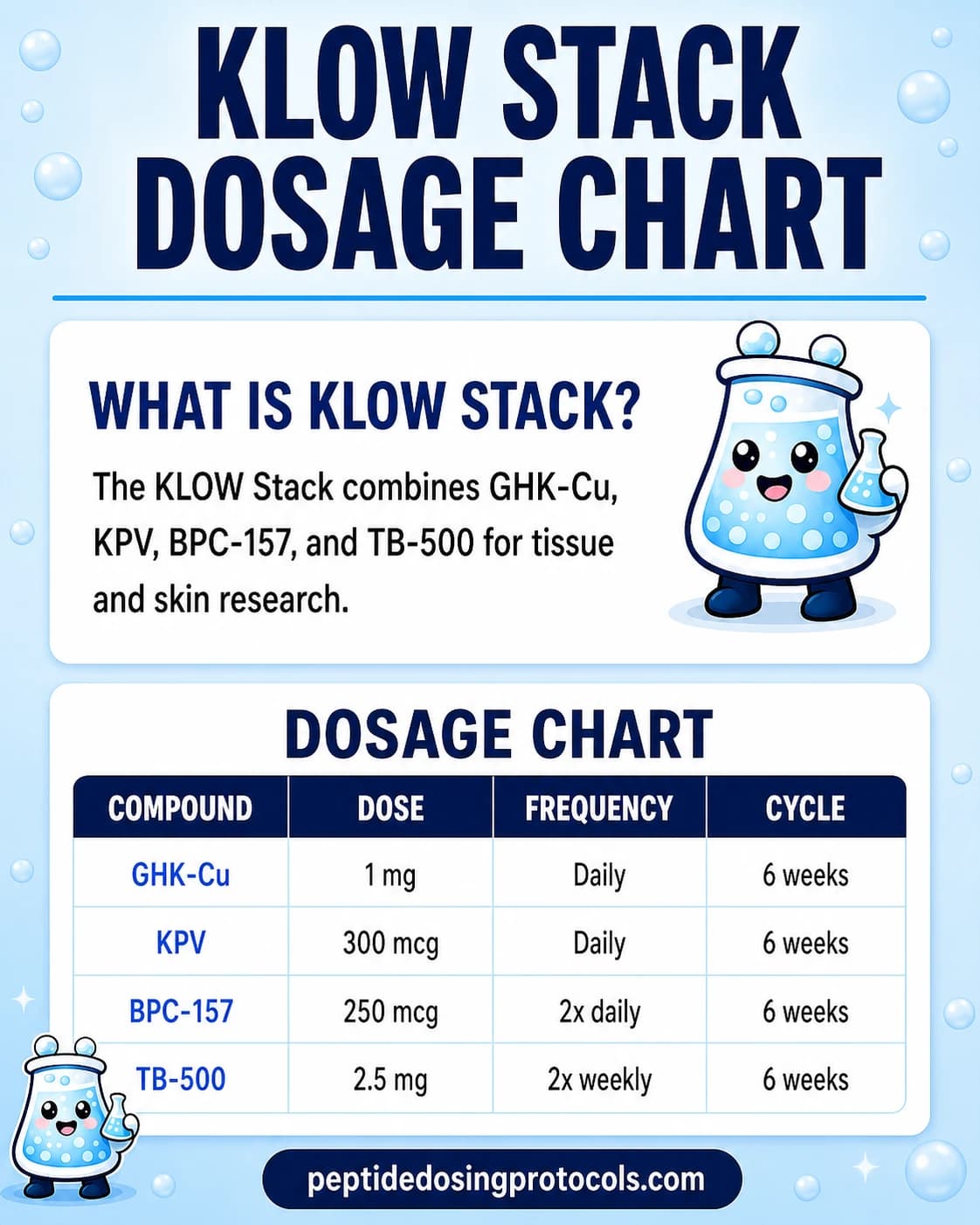
The formulation includes 10 mg of BPC-157, 50 mg of GHK-CU, and 10 mg of TB500 , provided as a lyophilized powder for controlled laboratory use
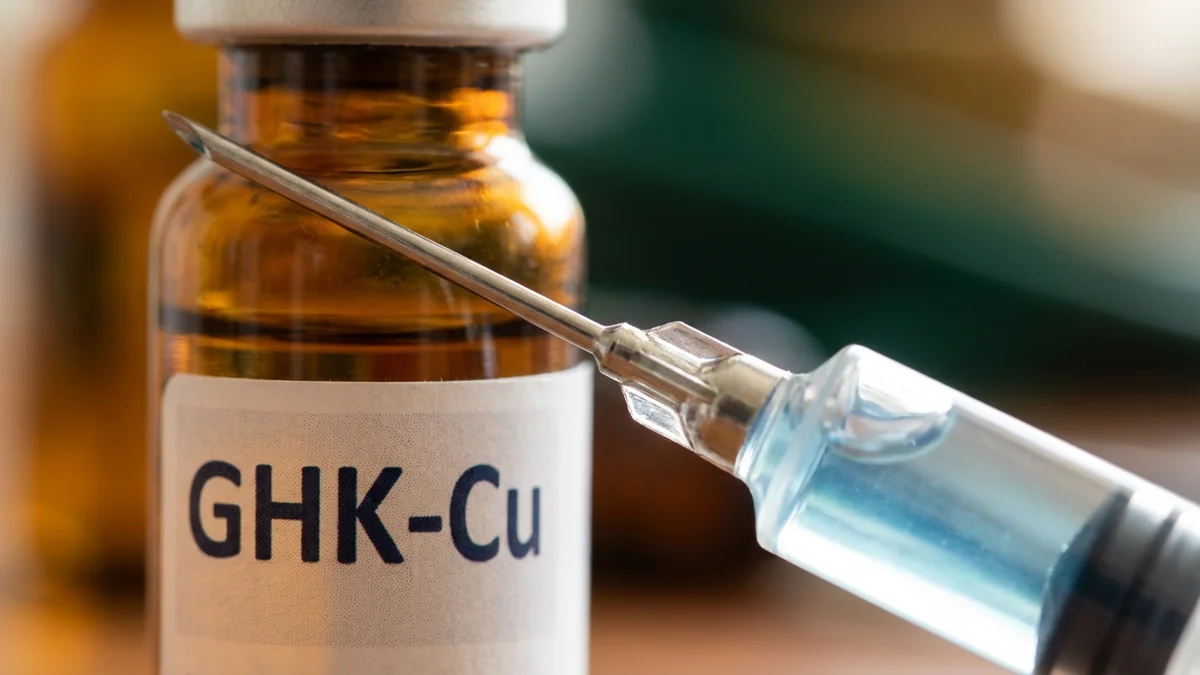
~403 Da (copper complex) Form: Lyophilized powder Vial Size: 50mg in 3mL glass vial Purity: 99%+ verified by HPLC and mass spectrometry (See COAs) Research Background GHK-Cu has been investigated in research literature across several scientific contexts: Tissue biology research investigations into peptide-copper complex effects on cellular signaling pathways in tissue models Extracellular matrix research studies examining cellular responses involving collagen synthesis pathways and matrix protein regulation in cell culture systems Copper-binding peptide chemistry analytical chemistry research on GHKs selective copper binding properties and the cellular biology of copper homeostasis Cellular signaling pathway research investigations into GHK-Cus interactions with cellular receptor systems and downstream signaling cascades Gene expression research studies examining GHK-Cus effects on cellular gene expression patterns in research models Comparative peptide research analytical studies positioning GHK-Cu alongside other naturally occurring copper-binding peptides in cellular research contexts GHK-Cu is historically significant as one of the most extensively studied naturally occurring copper-binding peptides, originally identified by Pickart et al

Tirzepatide's dual GIP/GLP-1 mechanism makes it distinct from pure GLP-1 agonists like semaglutide or liraglutide
References (1) Chang CH, Tsai WC, Lin MS, Hsu YH, Pang JH
As cells age, mitochondria can become less efficient, leading to a decline in overall cellular function
Injectable B complex for neuropathy care Philippines